

Top Neurosurgeon Los Angeles
At Global Brain and Spine Institute, we’re dedicated to diagnosing, treating, and supporting recovery from complex brain and spine issues. Led by board-certified neurosurgeon Dr. Christopher A. Sarkiss, we deliver personalized care. Whether you have a spinal disorder, brain tumor, or chronic pain, we offer advanced spine surgery and minimally invasive treatments designed just for you. Our mission is to restore your quality of life safely and effectively, with compassion every step of the way.




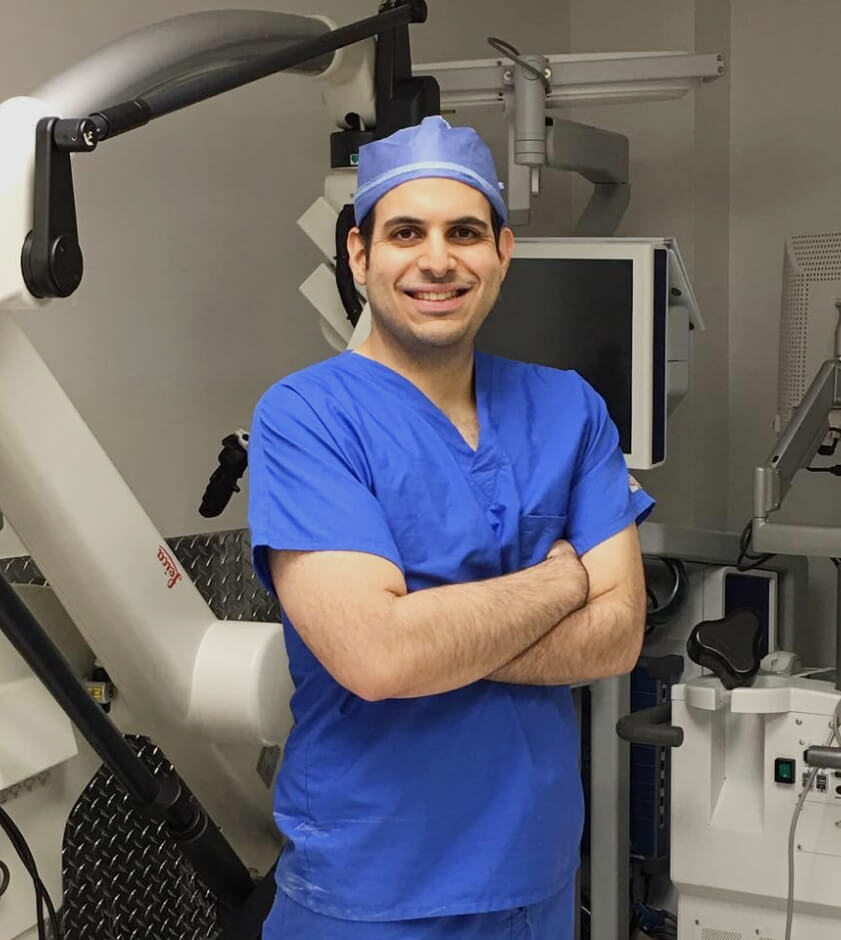
Why Patients Trust Us
- Fellowship-trained neurosurgeon with experience in complex cases
- Advanced cutting-edge technology
- Comprehensive diagnostic imaging and patient education
- Focus on function restoration, pain relief, and long-term wellness
- Commitment to helping our patients navigate their journey with clarity, confidence, and care
Featured Procedures
Lower Back Pain
Lower back pain affects millions and can be caused by muscle strain, disc problems, or spinal conditions like scoliosis. It may range from a dull ache to sharp pain that limits movement. We diagnose the cause and build a treatment to alleviate symptoms.
Spinal Fusion
Spinal fusion is a spine surgery that joins two or more vertebrae to reduce pain and improve stability. It’s used for conditions like disc disease, spinal instability, scoliosis, or fractures. Bone grafts or implants help the vertebrae grow together into one solid bone. While it can ease pain, it also limits movement in that part of
the spine.
Artificial Disc Replacement
Brain Tumor
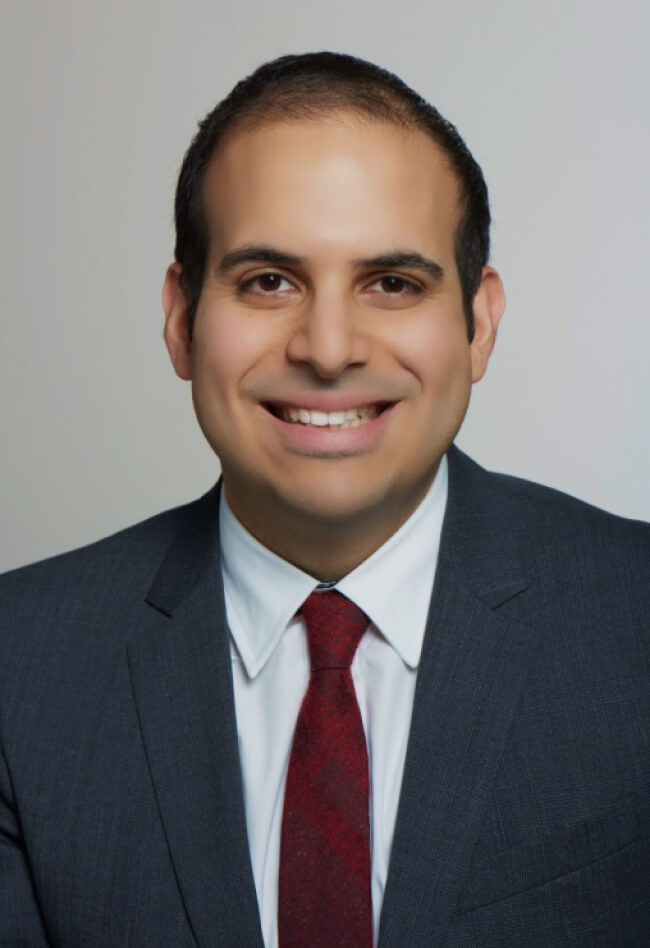
Meet Your Brain & Spine Surgeon
A Los Angeles Neurosurgeon with Global Influence
- Laser Interstitial Thermal Therapy (Publication)
- Metastatic Spine Tumor Treatment (Publication)
- Central Nervous System Lymphoma Diagnosis (Publication)
- The Effects of Parkinson’s Disease on Lumbar Spine Surgery Patients (Publication)
- And more (see select publications here)
Education & Training
Jackson Memorial / University of Miami Hospital
Icahn School of Medicine at Mount Sinai
UCLA David Geffen School of Medicine, Los Angeles, CA
Diplomate, The American Board of Neurological Surgery












Fields of Expertise
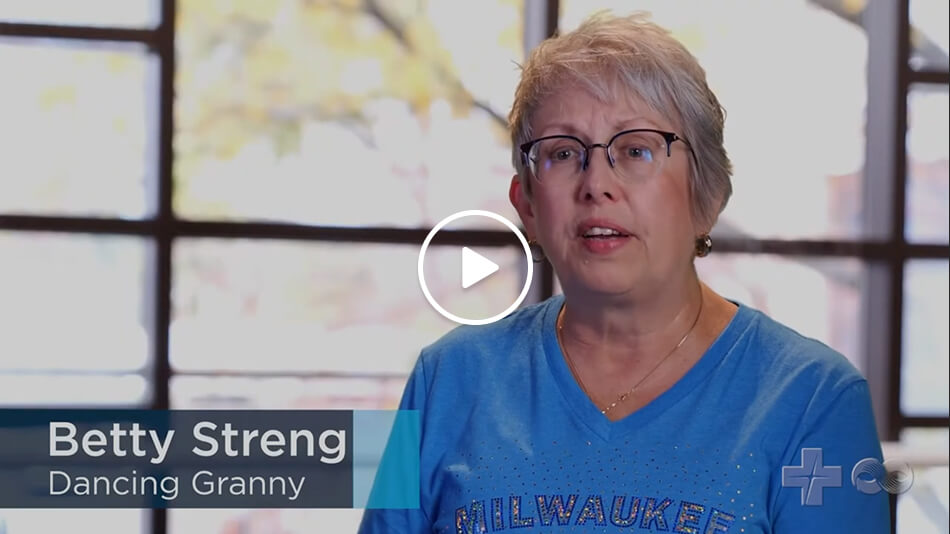
What Patients Are Saying About Us
Dr. Sarkiss' expertise, compassion, and clear communication.
“Patients appreciate Doctor Sarkiss’ expertise, compassion, and clear communication. They say he explains complex medical information in easy terms, answers questions, and addresses concerns with care. Multiple patients highlight the neurosurgeon and his team’s positive and reassuring attitude, which helped to alleviate anxiety. The Global Brain & Spine Institute is also recognized for successful outcomes. Patients report feeling confident in the care they received and highly recommend the services.”

FAQs
How do I choose the best neurosurgeon in Los Angeles?
When choosing a brain or spine surgeon, we recommend steps such as:
- Checking reviews across all platforms, especially medical-focused ones like Healthgrades (see Dr. Sarkiss’s profile here).
- Always seeking second opinions to ensure a full clinical picture.
- Meeting your surgeon one-on-one for a personal consultation.
- Looking for board-certified, fellowship-trained surgeons with in-depth expertise.
- Exploring a surgeon’s background to see if they are still actively engaged in research and advancing their field.
When should I see a brain surgeon instead of a neurologist?
A neurologist often is the first step in care for neurological conditions. However, you may be referred to a brain surgeon when:
- A condition may require surgical treatment.
- Imaging shows structural problems.
- Symptoms are worsening.
- You have an emergency condition (e.g., traumatic injury).
- You want a second opinion.
What are the most common spine conditions that require surgery?
Dr. Sarkiss treats a full spectrum of spine conditions, with the ones that most commonly require surgery being:
- Herniated disc
- Spinal stenosis
- Degenerative disc disease
- Spondylolisthesis
- Spinal fractures (compression or traumatic)
Do all neurological conditions require surgery?
Is minimally invasive spine surgery an option for most patients?
What should I expect during a neurosurgery consultation?
Your consultation helps lay the foundation for treatment planning. The details will depend on your symptoms and condition, with the process involving elements like:
- Detailed medical history review
- Neurological and physical examination
- Imaging studies like MRI, CT, X-rays (ordering studies or reviewing existing ones)
- Discussion of diagnosis and treatment options, including risk-benefit analysis
- Opportunity for asking questions or going over concerns
- Recommendations for next steps