
Artificial Disc Replacement Surgery in Los Angeles
Artificial Disc Replacement (ADR) is a modern surgical procedure used to treat severe disc problems in the spine, most often caused by degenerative disc disease. Unlike spinal fusion, which eliminates motion at the affected level, ADR replaces the damaged disc with an artificial implant that preserves natural movement while relieving pain and pressure on nearby nerves.
At the Global Brain & Spine Institute in Los Angeles, spine surgeon Dr. Christopher A. Sarkiss is a leading provider of ADR.
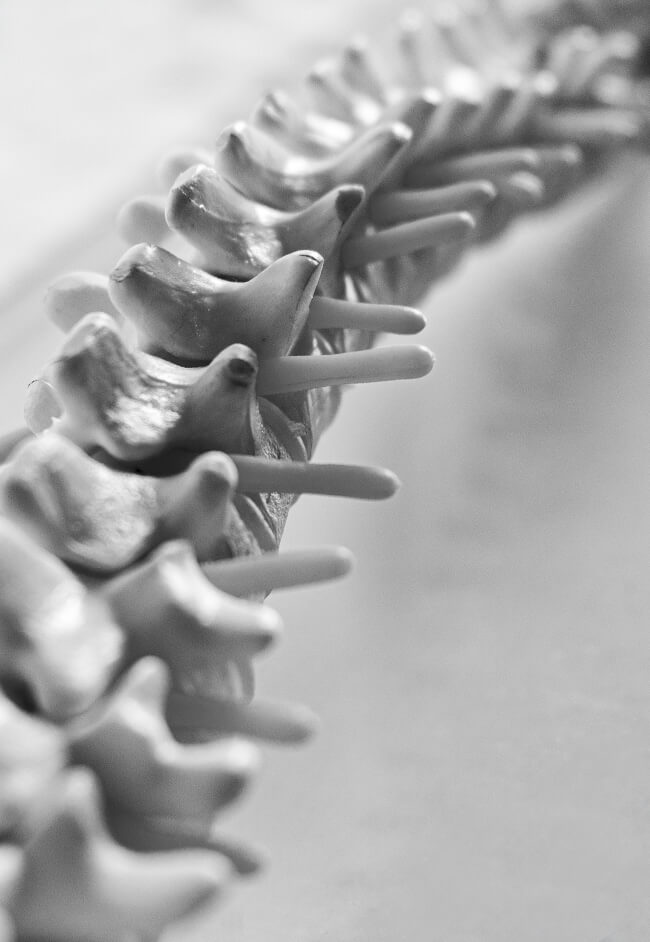
How Artificial Disc Replacement Works
During surgery, the damaged spinal disc is carefully removed and replaced with a specialized artificial disc designed to mimic the natural motion of a healthy disc. This helps maintain spinal flexibility and alignment while reducing nerve compression and associated symptoms. The procedure is typically performed in the cervical (neck) or lumbar (lower back) spine, depending on the affected area.
The procedure varies from options like spinal fusion in that it is mobility preserving. In fact, many patients see an improvement in mobility afterward due to improved symptoms.
Advantages of Artificial Disc Replacement
- Preserves natural spinal motion and flexibility
- Reduces or eliminates chronic back or neck pain
- Avoids complications associated with spinal fusion
- Quicker recovery and return to daily activities
- Long-term durability with advanced implant technology
Schedule a Consultation
Artificial Disc Replacement Surgery FAQs
How long does an artificial disc last?
Modern artificial spinal discs are individually fabricated to ensure optimal fit and longevity. Most patients see an artificial disc last 20+ years. The implants that Dr. Sarkiss uses are typically comprised of two titanium alloy shells on either side of a polycarbonate urethane nucleus. These medical-grade materials effectively resist wear while also providing stability for sustained symptom relief.
What conditions qualify someone for artificial disc replacement?
ADR is typically recommended for patients with degenerative disc disease (DDD). However, the severity of the condition will be a large part of what guides treatment. Specifically, candidates typically will have chronic neck or back pain that has not improved with conservative treatments. ADR may be an option only after options like physical therapy, injections, or medication have shown no improvement. Additionally, the disc damage typically needs to be without arthritis or notable spinal instability.
How does artificial disc replacement differ from spinal fusion?
Spinal fusion permanently joins two vertebrae together. Doing so provides vastly improved stability, but it eliminates motion at that segment. Artificial disc replacement instead preserves motion. By replacing the damaged disc with a mobile implant, the procedure reduces spinal stress while preserving more natural spinal mechanics.
Is artificial disc replacement safe?
Artificial disc replacement is an FDA-approved procedure when performed by an experienced spine surgeon. However, as with any surgery, ADR does have a risk profile. Complication rates are generally low and comparable to or lower than spinal fusion for properly selected patients with expert-guided care.
How long does the surgery take?
An ADR procedure typically takes under 3 hours, depending on the target spinal region. In some cases, the procedure may take as little as 1.5 hours. Factors that influence procedure duration include:
- Whether the surgery is performed in the cervical (neck) or lumbar (lower back) spine
- Whether one or two discs are replaced
- Other factors that influence procedure complexity
What is the recovery time after artificial disc replacement?
Many patients can return home the same day or after an overnight hospital stay. While it is likely you can walk within hours of surgery, you will want to minimize any physical activity. Ideally, patients will take 2 to 4 weeks of downtime, after which you can return to work and light activities. Full recovery typically takes between 6 and 12 weeks.
Will I lose mobility after disc replacement?
One of the key advantages of ADR is that it preserves natural spinal movement. In many cases, patients see an improvement in their range of motion compared to their preoperative state. The amount of mobility will vary, depending on additional spinal health factors, age, and other conditions.
How much does artificial disc replacement surgery cost?
ADR costs vary based on the hospital, region, and number of discs replaced. In the US, total procedure costs often range between $35,000 and $70,000, though insurance may cover part or all of the procedure. Our patient care team helps you understand what your costs will be, both with or without insurance.
What are the risks of artificial disc replacement?
Potential risks include:
- Infection
- Nerve irritation
- Implant movement
- Bleeding
- Persistent pain
However, serious complications are uncommon. You can further mitigate any risks by working with a highly skilled surgeon and carefully adhering to post-procedure instructions.