
Trigeminal Neuralgia Specialist in Los Angeles
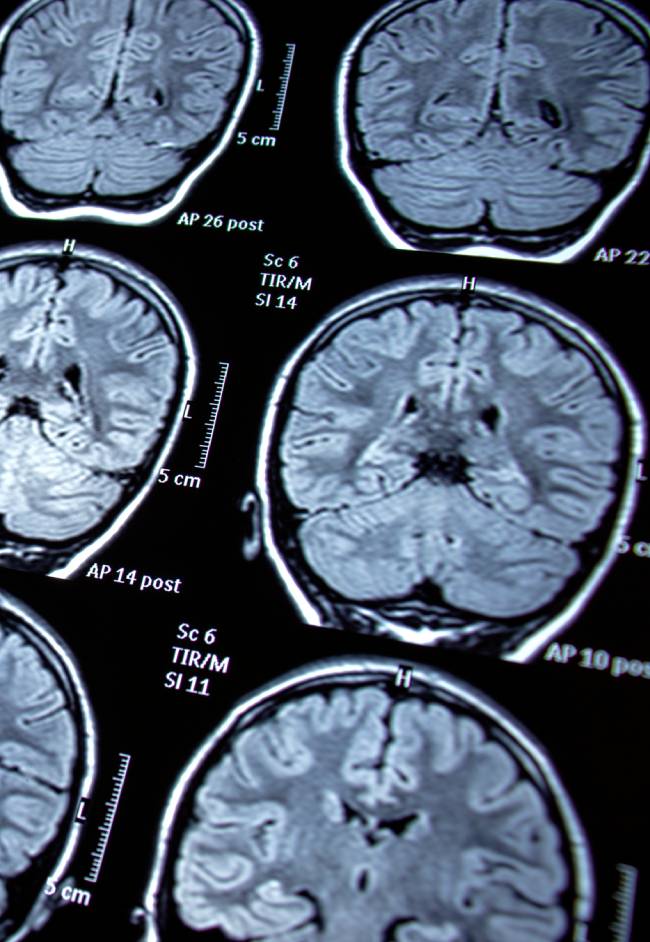
Trigeminal neuralgia is a chronic pain condition affecting the trigeminal nerve, which carries sensation from the face to the brain. It causes sudden, severe, electric shock-like facial pain, often triggered by simple actions like chewing, speaking, or touching the face. Episodes can last seconds to minutes and may occur in clusters. The condition is often caused by blood vessel compression of the nerve, but can also result from multiple sclerosis or nerve injury. Working with a premier neurosurgeon in Los Angeles can pave a path toward lasting symptom improvement.
Trigeminal Neuralgia Treatment Options
In early stages of trigeminal neuralgia, symptoms can often be managed with medication. These often prove effective enough for managing milder cases. You may benefit from conservative measures if:
Observation and Medication Management
In early stages of trigeminal neuralgia, symptoms can often be managed with medication. These often prove effective enough for managing milder cases. You may benefit from conservative measures if:
- Pain episodes respond well to medication
- Symptoms remain mild or intermittent
- No severe neurological deficits are present
- Imaging findings do not show increasing deterioration
Common medications that demonstrate benefits include:
- Anticonvulsants (e.g., carbamazepine, oxcarbazepine)
- Muscle relaxants or other nerve-stabilizing medications
Medication management requires ongoing monitoring to ensure adjustments are made when needed.
Microvascular Decompression (MVD)
Advantages:
- Addresses the underlying cause of nerve compression
- High long-term success rate
- Preserves normal nerve function
- Provides durable pain relief for many patients
Percutaneous Rhizotomy Procedures
Hospital Stay: Same-day outpatient Percutaneous procedures are minimally invasive treatments that can interrupt pain signals traveling along the trigeminal nerve. The procedure involves inserting a small needle through the cheek and guiding it to the trigeminal nerve. The entire time, Dr. Sarkiss uses imaging to guide the entire procedure for precision.
Common techniques include:
- Radiofrequency Rhizotomy: Uses heat to damage pain fibers
- Balloon compression: Compresses the nerve to block pain signals
- Glycerol injection: Chemical treatment that disrupts pain transmission
Indications:
- Patients who are not candidates for open surgery
- Older adults with medical conditions that increase surgical risk
- Recurrent trigeminal neuralgia after previous treatment
These treatments can provide significant pain relief with minimal recovery time.
Stereotactic Radiosurgery (Gamma Knife)
Benefits:
- No surgical incision
- Outpatient procedure
- Minimal recovery time
- Effective option for patients unable to undergo surgery
Peripheral Nerve Disorder FAQs
Can trigeminal neuralgia improve without surgery?
With trigeminal neuralgia, there is generally not a cure in the traditional sense. Rather, efforts focus on finding an effective management plan that notably improves symptoms. To that end, conservative measures can often provide satisfactory relief. Surgical intervention is typically only indicated when conservative measures do not provide adequate relief.
How long does recovery take after trigeminal neuralgia surgery?
Recovery depends on the procedure performed. Minimally invasive procedures may allow patients to return to normal activity within a few days to 1 week. However, recovery from microvascular decompression surgery may take 4–6 weeks, with varying limitations on daily routine activities.
What triggers trigeminal neuralgia pain attacks?
- Chewing
- Talking
- Brushing teeth
- Touching the face
- Shaving or applying makeup
- Exposure to cold wind
Is trigeminal neuralgia more common in older adults?
As with many conditions, trigeminal neuralgia occurs more commonly in adults past age 50 years. However, it can develop at any age, with prevalence being more common in women than men.
Can trigeminal neuralgia return after treatment?
Symptom recurrence is possible, particularly with minimally invasive procedures. Medication and conservative measures may begin to have a lesser effect over time. With microvascular decompression surgery, many patients experience long-term relief with lower recurrence rates.
Factors that improve outcomes include:
- Accurate diagnosis of nerve compression
- Treatment by an experienced neurosurgeon
- Appropriate selection of surgical procedure
- Careful follow-up monitoring
What is life like after trigeminal neuralgia treatment?
Most patients experience impactful improvements in quality of life once pain is controlled. Many return to normal activities, including eating, speaking, and social interactions unburdened by the fear of sudden pain attacks.
Depending on your case, you may still need postprocedure support and follow-up, including:
- Medication adjustments
- Imaging, if symptoms recur
- Periodic neurological evaluation