
Anterior and Posterior Spinal Fusion Surgery in Los Angeles
- Degenerative disc disease
- Herniated discs
- Fractures
- Scoliosis
- Spinal instability
- Tumors
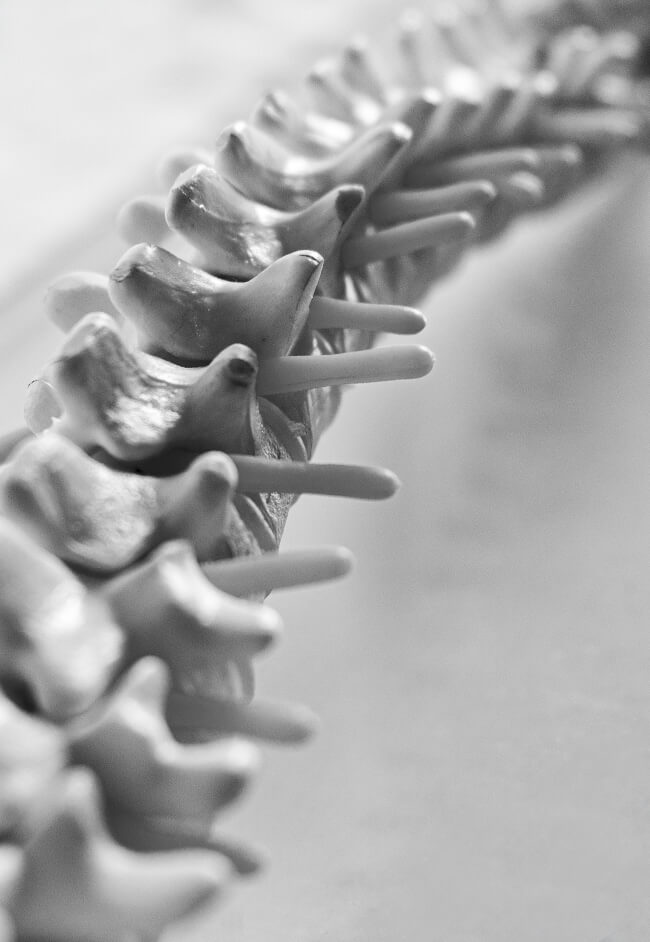
Cervical Spinal Fusion
- Anterior Cervical Discectomy and Fusion (ACDF): Removes a damaged disc in the neck or front of the neck. Done for herniated discs and nerve compression.
- Posterior Cervical Decompression and Fusion (PCDF): Performed through the back of the neck when more extensive decompression is needed. Helps with stenosis or multilevel compression.
- Cervical Corpectomy: Involves removing part of the vertebral body and discs above or below it. Helps with conditions like tumors, stenosis, and multilevel compression.
Thoracic Spinal Fusion
Lumbar Spinal Fusion
- Posterior Lumbar Decompression and Fusion (PLDF): Performed in the back of the spine. May be combined with laminectory to further relieve nerve pressure.
- Posterior Lumbar Interbody Fusion (PLIF): Removes the damaged disc and places a graft or implant between the vertebrae. Provides enhanced stabilization of the spine.
- Transforaminal Lumbar Interbody Fusion (TLIF): This approach is similar to PLIF, but it involves access through one side. Aims to reduce nerve manipulation.
- Extreme Lateral Interbody Fusion (XLIF) / Direct Lateral Interbody Fusion (DLIF): Performed using the lateral approach (through the patient's side). Allows for a muscle-sparing, minimally invasive approach with shorter recovery.
- Lumbar Corpectomy: Removes part of a vertebral body in the lumbar region. Helps with certain tumors, fractures, and severe compression.
Recovery and Outcomes at a Glance
- Hospital Stay: Up to a few days, depending on procedure.
- Recovery Timeline: Some activity within weeks, full recovery within months.
- Physical Therapy: Often recommended to improve spine strength and stability.
- Success Rate: High success rates for reducing pain and stabilizing the spine.
Schedule a Consultation
Dr. Sarkiss, a Los Angeles-based spine surgeon, provides anterior and posterior spinal fusion surgery with years of experience. Start by scheduling a consultation to evaluate your options.
Anterior and Posterior Spinal Fusion Surgery FAQs
How does Dr. Sarkiss decide between an anterior or posterior spinal fusion approach?
The choice depends on three main factors:
- The location of the spinal problem
- The structures causing nerve compression
- The number of vertebrae involved
The anterior approach allows for direct access to discs and vertebral bodies. As for the posterior approach, it better suits decompression, stabilization, or multilevel conditions.
What materials are used to fuse the vertebrae together?
Most commonly, spinal fusion uses a bone grafting material to help the vertebrae grow into a single bone. These materials vary, with options including your own bone, donor bone, or synthetic substitutes.
Additionally, we use stabilization hardware. These do not fuse the vertebrae but rather provide additional support while the bone graft heals. Materials we use can include titanium screws, rods, or plates.
Will I lose flexibility after spinal fusion surgery?
Some loss of motion is expected, but the amount will vary. Due to the nature of the procedure, the fused vertebrae no longer move independently. However, the limitation to mobility is rarely an impediment to daily function. The spine typically adapts, with the surrounding vertebrae compensating for the reduced motion.
Is spinal fusion surgery performed using minimally invasive techniques?
The degree of invasiveness will depend on your procedure’s particulars. In some cases, Dr. Sarkiss can employ a minimally invasive approach (i.e., smaller incisions, specialized instruments). He always aims for the least invasive approach that will still produce the desired outcomes. Less invasive techniques can reduce muscle disruption, blood loss, and postoperative discomfort.
What imaging tests are required before spinal fusion surgery?
Patients may require a combination of MRI scans, CT scans, and dynamic X-rays. The types needed will depend on the location and specifics of your spinal issues.
Are there risks associated with spinal fusion surgery?
Any major surgery will have a risk profile. However, Dr. Sarkiss takes every precaution to minimize your risk of complications. From careful surgical planning to full postoperative patient support, our approach aims to preempt any issues before they occur. Some risks include:
- Infection
- Bleeding
- Nerve injury
- Blood clots
- Incomplete fusion of the bone
Furthermore, working with an experienced spine surgeon can help lower any associated risks.
How long does the spinal fusion itself take to fully heal?
Although initial recovery may occur within weeks, the biological fusion process takes longer. Most patients need between 6 and 12 months for the bone graft to gradually integrate and the vertebrae to grow together into a solid structure.
Will I need to wear a back or neck brace after surgery?
Some patients are advised to wear a brace for several weeks after surgery. Dr. Sarkiss determines each patient’s need on an individual basis. Braces are recommended when you need to limit movement while the fusion begins to heal.
Can spinal fusion surgery prevent future spine problems?
Spinal fusion stabilizes the treated area and can prevent your condition from worsening. However, natural aging and degeneration can still occur. Patients can take steps to help support long-term spinal health, such as:
- Maintaining good posture
- Strengthening core muscles
- Following medical guidance.