
Failed Back Syndrome Specialist in Los Angeles
Failed back syndrome (FBS), also known as failed back surgery syndrome, refers to persistent or recurring pain following spine surgery. Despite technically successful procedures, some patients continue to experience back or leg pain due to scar tissue, nerve damage, spinal instability, or unresolved issues at adjacent levels of the spine.
Living with chronic pain after surgery can be frustrating and disheartening. At Dr. Sarkiss’s practice, he takes a comprehensive, multidisciplinary approach to evaluating and managing failed back syndrome. Using his experience as a leading spine surgeon, he builds plans to help patients finally achieve relief from symptoms and restore quality of life.
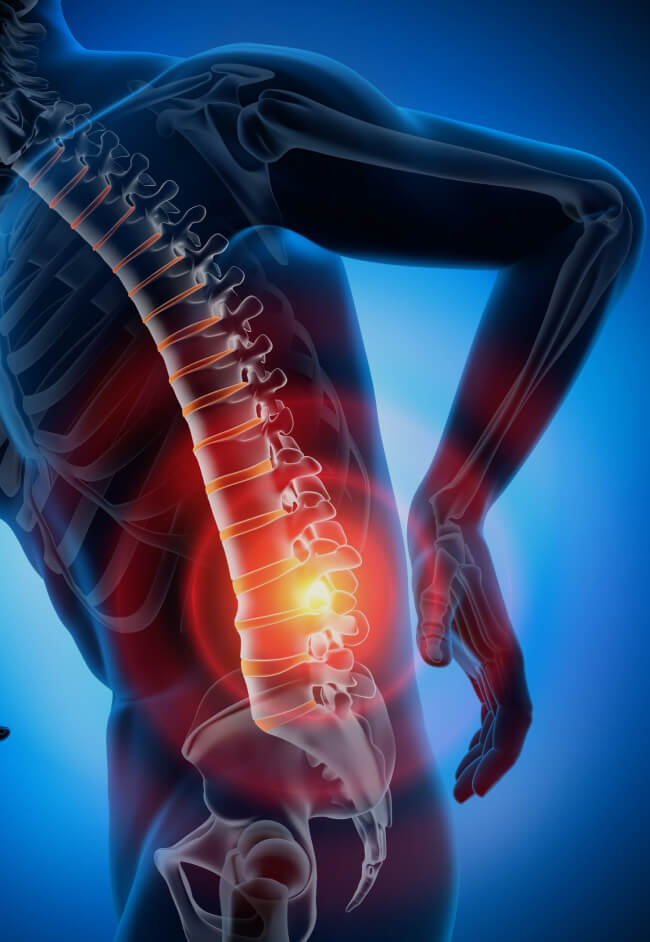
Failed Back Surgery Syndrome Treatment Options
Treatment for failed back surgery syndrome will revolve around the cause and severity of persistent pain. In some cases, conservative measures may be sufficient. However, corrective surgery may be indicated when there are no improvements from nonsurgical options.
Why Does FBSS Occur?
In some cases, the cause could be progression of the original spinal condition or the development of new structural issues. Identifying FBSS requires a full assessment, evaluating symptoms and obtaining detailed imaging to build the diagnosis.
Common techniques include:FBSS may occur for reasons such as:
- Scar tissue formation
- Incomplete nerve decompression
- Spinal instability
- Adjacent segment degeneration
- Nerve damage
Key symptoms that could indicate FBSS include:
- Persistent lower back pain
- Radiating leg pain (sciatica)
- Numbness, tingling
- Muscle weakness
- Reduced mobility
Conservative Management
Conservative management often can improve symptoms without invasive techniques. Dr. Sarkiss typically begins with this route, focusing on nonsurgical methods to reduce inflammation and stabilize the spine.
A conservative approach may prove beneficial for patients with:
- Mild to moderate symptoms
- No significant spinal instability
- Imaging that does not show severe nerve compression
- Pain that responds to therapy or medication
Common nonsurgical treatments may include:
- Physical therapy focused on strengthening muscles supporting the spine
- Anti-inflammatory or nerve pain medications
- Epidural steroid injections
- Lifestyle modifications and activity adjustments
Spinal Cord Stimulation
Hospital Stay: Outpatient or same day
Advantages
- Minimally invasive procedure
- Adjustable pain control settings
- Reversible treatment option
- Significant reduction in chronic nerve pain for many patients
Revision Spine Surgery
Hospital Stay: 2–5 days
Remaining structural problems may best be solved with surgery. Dr. Sarkiss usually reserves revision surgery for cases of severe symptoms or symptoms unresponsive to conservative measures.
Surgical elements can include:
- Removal or adjustment of previous hardware
- Additional decompression of spinal nerves
- Repair of spinal instability
- Treatment of recurrent disc herniation
Indications:
- Persistent nerve compression visible on imaging
- Spinal instability
- Hardware failure or misalignment
- Progressive neurological symptoms
Failed Back Surgery Syndrome FAQs
Can failed back surgery syndrome improve without additional surgery?
Surgical correction typically is reserved for when conservative measures do not show improvements. However, many patients may see meaningful symptom relief without surgical intervention. It ultimately depends on symptom severity and the underlying causes.
How long does recovery take after treatment for failed back surgery syndrome?
Revision surgery or other invasive techniques will require a variable amount of downtime. In most cases, initial recovery can involve a brief hospital stay followed by a couple of weeks of home rest. Full recovery can take anywhere from several weeks to multiple months. Dr. Sarkiss provides clear outlines based on your procedure’s individual details.
What symptoms suggest failed back surgery syndrome?
Following spinal surgery, you should see improvements in your symptoms. FBSS does not always mean experiencing the same symptoms as before. Rather, it can describe any new, worsening, or chronic symptoms present after your initial procedure, whether days, weeks, or even years after surgery. Typical symptoms include:
- Persistent or worsening back pain
- Radiating leg pain or sciatica
- Numbness or tingling in the legs
- Muscle weakness
- Difficulty walking or standing for long periods
Who is most at risk for failed back surgery syndrome?
Most commonly, FBSS occurs after procedures like lumbar fusion, disc surgery, or decompression procedures. While most patients see lasting benefits, certain factors can increase the risk of experiencing FBSS, including:
- Complex spinal conditions
- Multiple prior surgeries
- Progressive degenerative spine disease
- Inexperienced spine surgeon
- Insufficient postprocedure care and follow-up
Can failed back surgery syndrome return again?
Unfortunately, FBSS can recur even after a second procedure. For many patients, there is minimal risk of this happening. However, multiple procedures could in themselves increase your risk of recurrence.
The best outcomes come from procedure plans that include:
- Accurate diagnosis of the underlying cause
- Careful surgical planning
- Comprehensive rehabilitation
- Maintaining a healthy weight and lifestyle
- Ongoing follow-up with a spine specialist
What is rehabilitation like after treatment?
Rehabilitation efforts can play a central role in preventing recurrence of FBSS. Not all treatments will require rehabilitation steps, but when they do, programs can include:
- Physical therapy for strength and flexibility
- Core stabilization exercises
- Pain management strategies
- Gradual return to activity and daily movement
Spondylosis and Spondylolisthesis
Spondylosis and spondylolisthesis are two common spinal conditions that can cause persistent back or neck pain. Spondylosis is an age-related degeneration in the spine, including disc thinning, bone spurs, and joint stiffness. It often leads to discomfort, reduced mobility, or nerve irritation.
Treatment Options
Spine Tumors
Treatment Options
Spine Hemorrhage
A spine hemorrhage is a rare but serious condition involving bleeding within or around the spinal cord. It can result from trauma, vascular malformations, tumors, or certain medical conditions that affect blood vessels or clotting.
Depending on the location of the bleed (epidural, subdural, subarachnoid, or intramedullary), it may put pressure on the spinal cord and nerves, leading to symptoms such as sudden back pain, weakness, numbness, or even paralysis. We use advanced imaging like MRI and CT scans to identify the source and severity of the bleeding.
Treatment Options
Treatment may include emergency surgery to relieve pressure, manage the bleeding, and prevent permanent damage. Our experienced team is equipped to provide rapid, compassionate care for spinal emergencies, with the goal of preserving function and improving outcomes.
If you experience sudden neurological symptoms, seek immediate medical attention.
Scoliosis
Scoliosis is a condition where the spine curves sideways, often in an “S” or “C” shape. While it can develop at any age, it most commonly appears during adolescence. Some cases are mild and cause no noticeable symptoms, while others may lead to back pain, uneven shoulders or hips, and postural changes. In more severe cases, scoliosis can affect lung or heart function due to pressure on the chest cavity.
Treatment Options
Depending on the severity and progression of the curve, treatment options can involve observation, bracing, physical therapy, or surgery. For advanced cases, we offer spinal fusion and other corrective procedures using minimally invasive techniques. Our goal is to improve spinal alignment, reduce discomfort, and help patients maintain an active, healthy lifestyle.
If you or your child shows signs of scoliosis, early assessment is key. Start with a consultation with Dr. Sarkiss for diagnosis and treatment plans.
Spinal Cord Compression
Spinal cord compression occurs when there is pressure on the spinal cord, often due to conditions such as herniated discs, tumors, spinal fractures, or degenerative diseases like arthritis. This pressure can lead to symptoms such as back or neck pain, numbness, weakness, tingling, or even loss of bladder and bowel control in severe cases.
Treatment Options
Treatment options vary depending on the underlying issue and may include medications, physical therapy, corticosteroid injections, or surgical procedures to relieve pressure and stabilize the spine. Our expert team is committed to restoring function, relieving pain, and preserving your quality of life.
If you are experiencing unexplained neurological symptoms or persistent spinal pain, we encourage you to schedule an evaluation.
Spinal Cord Injury
A spinal cord injury occurs when trauma or disease damages the spinal cord, disrupting the communication between the brain and the body. Injuries can result in total or partial loss of function below the injury. Causes include accidents, falls, sports injuries, and medical conditions like infections or tumors.
Treatment Options
Treatment includes advanced diagnostics, surgical intervention when needed, and coordinated rehabilitation to help maximize function and independence. Our compassionate team works closely with patients and their families to develop personalized treatment plans that focus on recovery, support, and improving quality of life.
If you or a loved one has experienced a spinal injury, early intervention is critical for the best outcome.
Spine Fractures & Compression Fractures
Spine fractures, particularly compression fractures, occur when one or more vertebrae break or collapse due to trauma, osteoporosis, cancer, or other spinal conditions. These fractures most commonly affect the thoracic (mid-back) or lumbar (lower back) spine. They can cause sudden back pain, limited mobility, height loss, or spinal deformity such as a hunched posture. Dr. Sarkiss specializes in diagnosing and treating spinal fractures with precision and care.
Treatment Options
After a thorough evaluation using imaging such as X-rays or MRI, Dr. Sarkiss develops a customized treatment plan based on the severity of the fracture and your overall health. Options may include bracing, pain management, physical therapy, and minimally invasive procedures like vertebroplasty or kyphoplasty to stabilize the spine and relieve pain. Our goal is to restore spinal stability, reduce discomfort, and help you return to your normal activities safely and confidently.
Failed Back Syndrome
Failed back syndrome (FBS), also known as failed back surgery syndrome, refers to persistent or recurring pain following spine surgery. Despite technically successful procedures, some patients continue to experience back or leg pain due to scar tissue, nerve damage, spinal instability, or unresolved issues at adjacent levels of the spine.
Living with chronic pain after surgery can be frustrating and disheartening. At our practice, we take a comprehensive, multidisciplinary approach to evaluating and managing failed back syndrome.
Treatment Options
Through advanced imaging, nerve studies, and clinical assessments, we identify the underlying cause of your pain and tailor a treatment plan to your unique needs. Options may include physical therapy, pain management, spinal cord stimulation, or revision surgery if appropriate. Our goal is to reduce pain, restore function, and help you regain a better quality of life.
If you’re still struggling after spine surgery, we’re here to offer expert guidance and renewed hope.
Flatback Syndrome
Flatback syndrome is a condition where the natural curve of the lower spine (lumbar lordosis) is reduced or lost, causing the spine to appear straight and forcing the upper body to lean forward. This imbalance can lead to chronic back pain, fatigue, difficulty standing upright, and limited mobility. It often results from previous spinal surgeries, degenerative disc disease, or congenital spine conditions.
Treatment Options
Using advanced imaging and posture analysis, we evaluate the extent of the spinal imbalance and create a personalized treatment plan. Nonsurgical options may include physical therapy, posture training, and pain management. In more advanced cases, surgical correction may be necessary to restore proper spinal alignment and improve function. Our goal is to reduce pain, improve balance, and help you return to daily activities with greater ease and comfort.