
Minimally Invasive Spine Surgery in Los Angeles
Minimally invasive spine surgery (MISS) is an advanced surgical technique designed to treat spinal conditions with smaller incisions, less tissue disruption, and quicker recovery compared to traditional open surgery. It is commonly used for conditions such as herniated discs, spinal stenosis, degenerative disc disease, and certain spinal deformities.
At Global Brain & Spine Institute, patients work with a top spine surgeon in Los Angeles, Dr. Christopher Sarkiss. If MISS is right for you, it could mean a lasting improvement in symptoms without requiring a fully invasive approach.
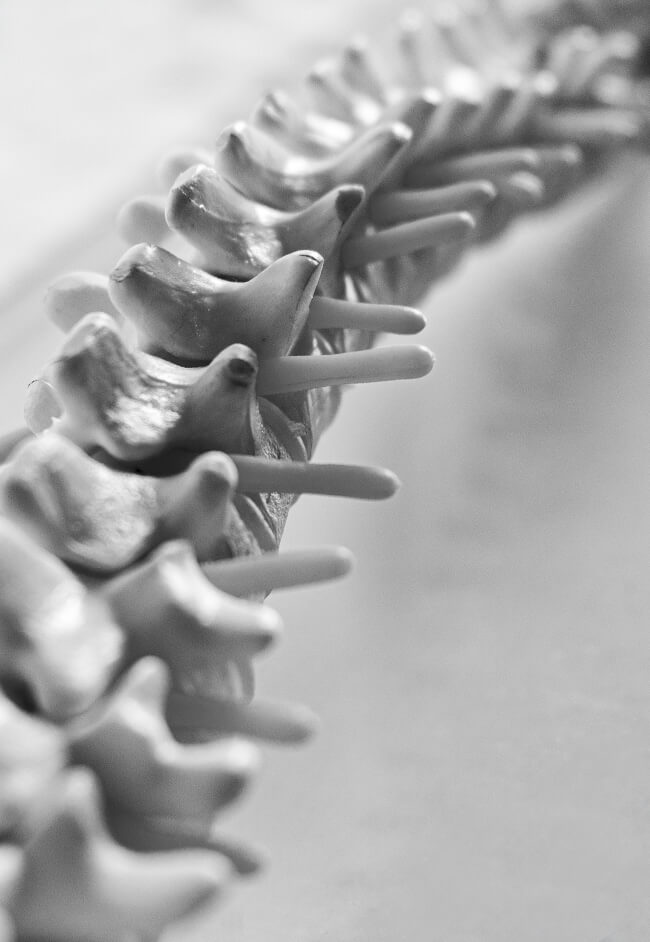
How Minimally Invasive Spine Surgery Works
MISS uses specialized instruments and imaging technology to access the spine through small incisions. By minimizing disruption to muscles and surrounding tissues, the procedure reduces pain and speeds up healing. Depending on the condition, the surgeon can repair or stabilize the affected area with precision and less trauma to the body.
Advantages of Minimally Invasive Spine Surgery
- Smaller incisions with minimal scarring
- Reduced post-operative pain and discomfort
- Shorter hospital stays and faster recovery
- Quicker return to daily activities and work
- Lower risk of infection and surgical complications
Schedule a Consultation
If you are experiencing back pain or have been diagnosed with a spinal condition, minimally invasive spine surgery may be the solution for lasting relief. Contact our office today to schedule a consultation and find out if MISS is right for you.
Minimally Invasive Spine Surgery FAQs
Who is a good candidate for minimally invasive spine surgery?
If surgery is indicated, Dr. Sarkiss will always employ the least invasive method possible. However, some spinal problems can only be treated with more invasive techniques, or else success may be compromised. Eligibility for minimally invasive spine surgery depends on factors like:
- The specific area of the spine affected
- Your overall health
- Prior spine surgeries
What types of procedures can be performed using minimally invasive techniques?
Several different spine surgeries can be performed with minimally invasive techniques. These include:
How long does minimally invasive spine surgery usually take?
Most minimally invasive spine procedures take about 1 to 3 hours. Though less invasive, the procedures are still highly complex. As such, Dr. Sarkiss prioritizes a detail-oriented operation that keeps a positive outcome at the forefront. He will inform you ahead of time how long the surgery should take, so you will be able to plan accordingly.
Is minimally invasive spine surgery performed under general anesthesia?
It depends on the case. General anesthesia is still often Dr. Sarkiss’s preferred option for spine surgery. Only in select cases would local anesthetic or lighter sedation be available. General anesthesia ensures full comfort while also keeping you completely still during surgery. That lack of movement is essential when Dr. Sarkiss is working on complex spinal structures like nerves.
What kind of imaging technology is needed for minimally invasive spine surgery?
Before surgery, you will likely obtain imaging via X-rays, MRI, CT scans, or some combination of these. The type and extent of imaging will depend on your condition.
When can patients start walking after minimally invasive spine surgery?
Depending on your case, you may even be encouraged to walk within a few hours of your procedure. For others, it may be longer. The timeframe depends on the specific procedure and your overall condition. Dr. Sarkiss will provide clear details for your expected postprocedure timeline.
Will I need to stop certain medications before minimally invasive spine surgery?
Yes! Pausing certain medications is an essential part of preparing for surgery. Most notably, patients will need to pause (temporarily) anything that could increase bleeding risk, such as:
- Blood-thinning medications
- Certain supplements, such as fish oil, ginger, and others
What restrictions should I expect after minimally invasive spine surgery?
Patients will need to expect some limitations after surgery. While these may feel inconvenient, remember they are essential to seeing a positive outcome. Until given the all-clear by your surgeon, avoid:
- Heavy lifting
- Bending
- Twisting
- Strenuous activity
Give your spine and tissues time to heal, and you will not regret it.
How soon can patients drive after minimally invasive spine surgery?
The main limitations for driving will be any narcotic pain medication. As long as you are using them to manage pain, operating machinery is off the table. Additionally, you will need to be able to move comfortably. Feeling restricted in your movement could increase the risk of an accident. For most patients, driving is an option within 1 to 2 weeks postprocedure.