
Subdural Hematoma Specialist in Los Angeles
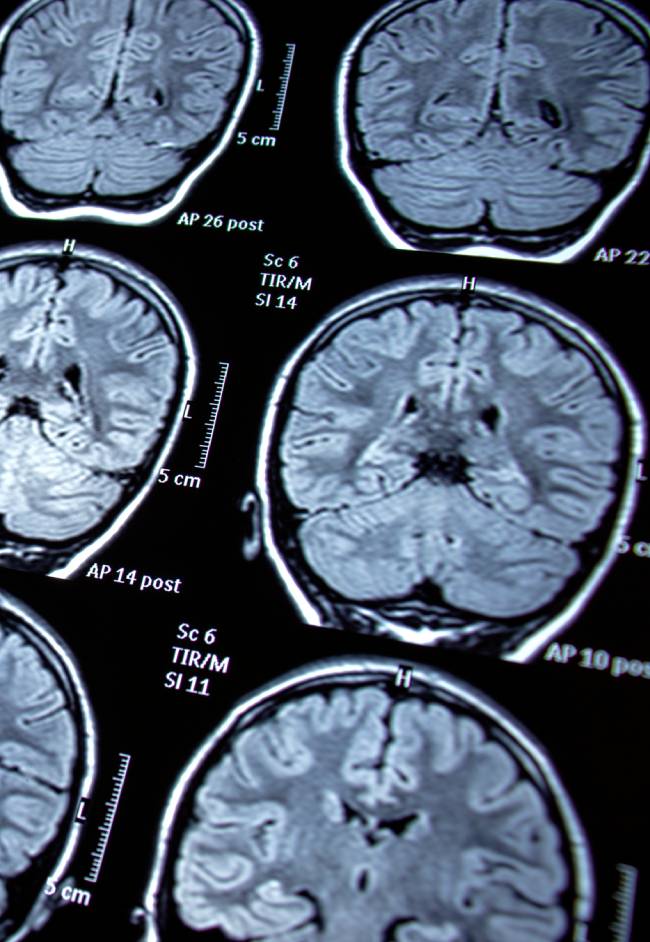
A subdural hematoma is a collection of blood between the dura mater (the brain’s outer covering) and the surface of the brain. It’s typically caused by a head injury that tears bridging veins, causing blood to leak and build pressure on the brain. Subdural hematomas can develop quickly after a severe trauma or slowly over days or weeks, often after a minor head bump (especially in older adults or those on blood thinners). By working with a leading brain surgeon in Los Angeles, patients can receive a treatment plan built around their individual case.Symptoms vary based on the size and speed of bleeding but can include headache, confusion, dizziness, nausea, drowsiness, weakness on one side of the body, or loss of consciousness. Diagnosis is usually made with a CT scan.
Subdural Hematoma Treatment Options
For small hematomas, treatment often involves just monitoring. For larger ones, surgical intervention is needed to relieve pressure on the brain.
Observation and Monitoring
Small subdural hematomas with minimal symptoms may not require immediate surgery.
Some factors that may point to such a conservative approach include:
- Small hematoma on CT or MRI
- No significant pressure on the brain
- Stable neurological exam
- Mild or no symptoms
Neurological monitoring and CT or MRI scans form the core of tracking your condition. Blood pressure should also be monitored. You may also need to pause blood-thinning medications. Ideally, the subdural hematoma will stabilize and slowly resolve.
Burr Hole Drainage
Advantages:
- Minimally invasive
- Short surgical time
- Often performed under general or local anesthesia
- High success rate for chronic hematomas
Craniotomy
Indications:
- Acute traumatic subdural hematoma
- Large blood clot
- Significant midline brain shift
- Rapid neurological decline
Decompressive Craniectomy
When patients have severe, dangerous brain swelling, Dr. Sarkiss may recommend a craniectomy. A larger portion of the skull is removed compared to craniotomy. However, this extra amount allows the brain to swell without causing fatal pressure. From there, the swelling may resolve on its own, or craniotomy may be performed. Afterward, the skull piece is replaced.
Middle Meningeal Artery (MMA) Embolization
Benefits:
- Lower recurrence rates
- Can be combined with burr hole drainage
- Often performed by neurointerventional specialists
Subdural Hematoma FAQs
Can a subdural hematoma heal without surgery?
Some small subdural hematomas can resolve naturally over weeks to months. These cases still require monitoring by a specialist. Additionally, intervention may be indicated if your condition worsens.
How long does recovery take after subdural hematoma treatment?
Recovery timelines will depend on the treatment performed. For example, burr hole recovery typically takes 2–6 weeks. More extensive procedures like craniotomy can take several months for full recovery. Dr. Sarkiss will provide a clear timeline based on your condition details and procedure outline.
What symptoms suggest a subdural hematoma is worsening?
Symptoms that may indicate progression include increasing:
- Headaches
- Confusion
- Drowsiness
- Weakness on one side of the body
- Difficulty speaking
- Seizures
Are subdural hematomas more common in older adults?
Older adults are indeed more susceptible to subdural hematomas. With age, several physiological changes occur, increasing risk. Namely, brain shrinkage can stretch bridging veins, which then can rupture with even minor head trauma. Additionally, patients taking blood-thinning medications can have an increased risk of subdural hematoma.
Can a subdural hematoma return after treatment?
Recurrence is possible. While the procedure treats the condition, it does not address the underlying risk factors that can lead to the bleeding. Still, recurrence rates are low, with only 10–20% of patients experiencing them. Among this group, it is mostly patients who had chronic subdural hematomas.
Certain factors can help reduce the risk of recurrence, including:
- Working with a board-certified brain surgeon
- Proper surgical drainage
- Treatment via middle meningeal artery embolization
- Careful adherence to post-procedure care
- Taking steps to reduce risk factors (e.g., smoking cessation)
What is rehabilitation like after treatment?
Patients may need rehabilitation, but it is not always required. The need for rehabilitation steps largely depends on the severity of the injury. Such a program can include:
- Physical therapy
- Occupational therapy
- Cognitive rehabilitation
- Balance training